
Who is this knowledge center for?
For dairy farmers looking for solutions to real-world problems. Think of recurring mastitis, excessive teat tip hyperkeratosis, or a somatic cell count (SCC) that remains out of control. Even if you’re looking to improve milking speed and efficiency, you’ll find both the basics and in-depth information here.
You’ll find yourself here with questions like:
- “What can I do about a high somatic cell count (SCC), and when is it a cause for concern?”
- “How do I recognize mastitis in cows, and what are the first signs or symptoms?”
- “What is hyperkeratosis in the teat, and how does it affect natural resistance?”

Milking starts with understanding what happens at the teat
A good milking machine or milking system is only truly effective if the teat condition is good to excellent. The teat end is the first line of defense against bacteria. Damage or calluses can weaken this natural barrier, increasing the risk of mastitis and raising the somatic cell count (SCC).
That is why, in this knowledge center, we combine knowledge of milking techniques with animal health. Not based on theory, but on what you observe during the milking process and in your animal health results.
What you’ll learn here about mastitis and SCC
Mastitis is the Latin word for udder inflammation and remains one of the biggest cost drivers on dairy farms. Here, you’ll learn how mastitis develops and the difference between an isolated case and chronic pressure within the herd.
We also explain how SCC works as a key performance indicator. Lower is better, and around 100 is usually acceptable. At 250 to 300 or higher, you’re often in a range where it costs money due to milk loss and treatment costs.
What you’ll learn here about hyperkeratosis and teat condition
Hyperkeratosis is a thickening of the skin at the teat end. It may look harmless at times, but it can disrupt the teat seal and thus significantly reduce resistance to bacteria. In this knowledge center, you’ll learn where hyperkeratosis comes from and how to recognize it, but most importantly, what you can do to prevent it.
Milking technique, equipment, and practical considerations
If you’re looking for a milking machine for your cows, you usually want one thing: reliable milking with guaranteed udder health. We’ll explore the practical factors involved in machine milking, whether in a milking parlor or with automatic milking.
Here you’ll find topics such as:
- Manual versus machine milking, including “Does milking a cow hurt her?” in a practical context
- Frequently asked questions on the topic: weaning and udder condition
- Situations such as flakes in cow’s milk, cow’s milk with blood, and which steps to check first in the process
Please note: this knowledge center is not a substitute for veterinary advice in case of acute problems. It does, however, help you identify the right signs more quickly and improve your process.
Proven results we see in practice:
- 3 times longer lifespan than rubber
- Used by more than 2,000 dairy farmers
- Average 11 percent higher milk flow rate
- 20 percent better teat condition
Why ™AktivPULS integrates technology with liners
We don’t view teat liners as a separate component, but as the most critical link in the entire milking process. It is the only part that comes into contact with the cow and the primary source of the dairy farmer’s income. When teat condition improves, this often translates into smoother milking and better control of mastitis and somatic cell count (SCC).
That is why we link our technical choices directly to the results you are seeking. ™AktivPULS liners are designed around three pillars: air-vented, a 45-degree angle, and 7 massage zones. The goal is consistent pressure on the teat, with a focus on teat health.
Want to know what this could mean for your farm and your system? Request a quote.
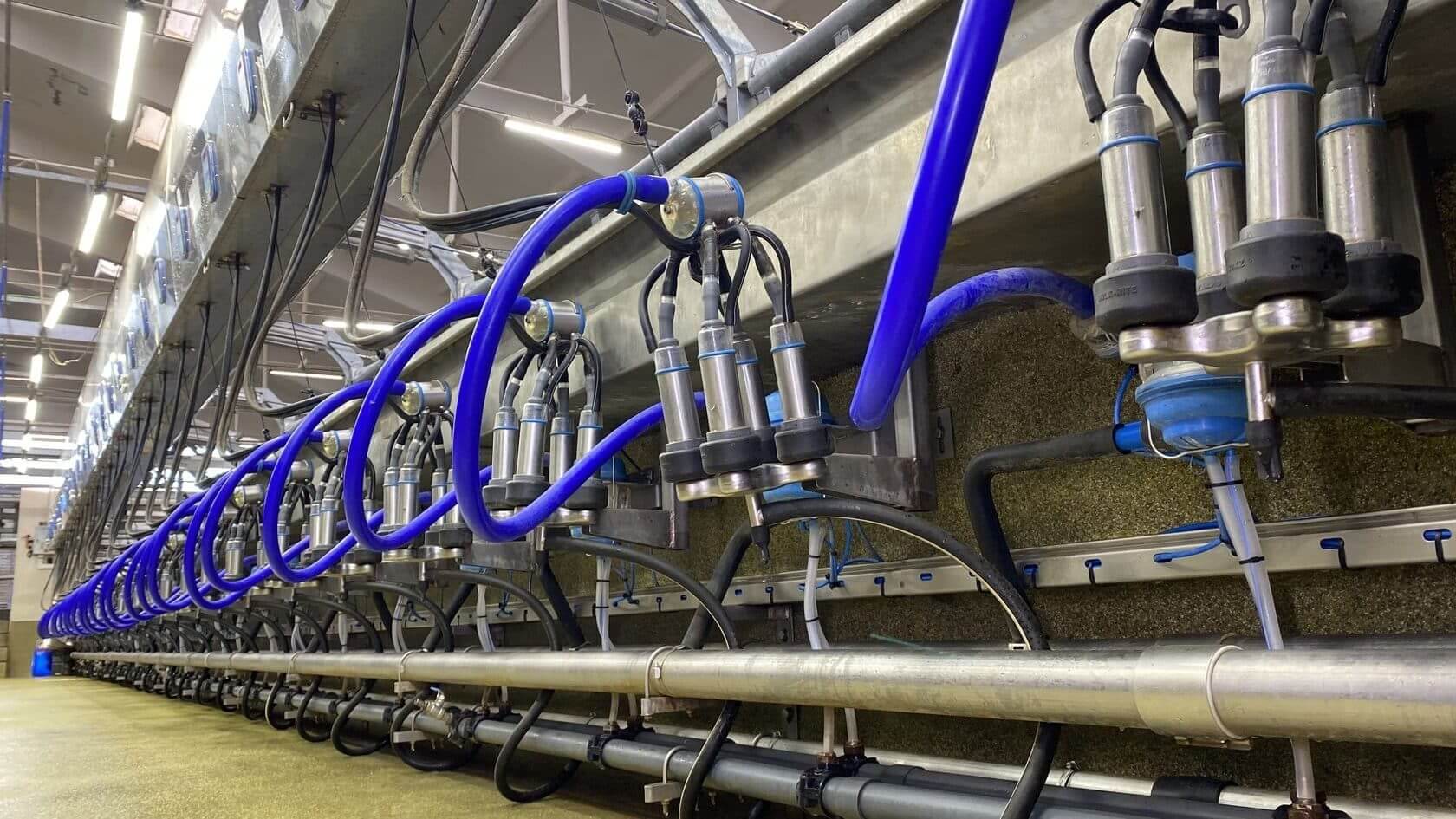
Compatible with multiple systems
™AktivPULS is used in milking parlors and with milking robots, as teat condition requires consistent performance during every milking session. The liners are compatible with multiple brands and corresponding models. This allows you to improve udder health without replacing your entire system.
Start here
Select your topic and go directly to the page that addresses your question.