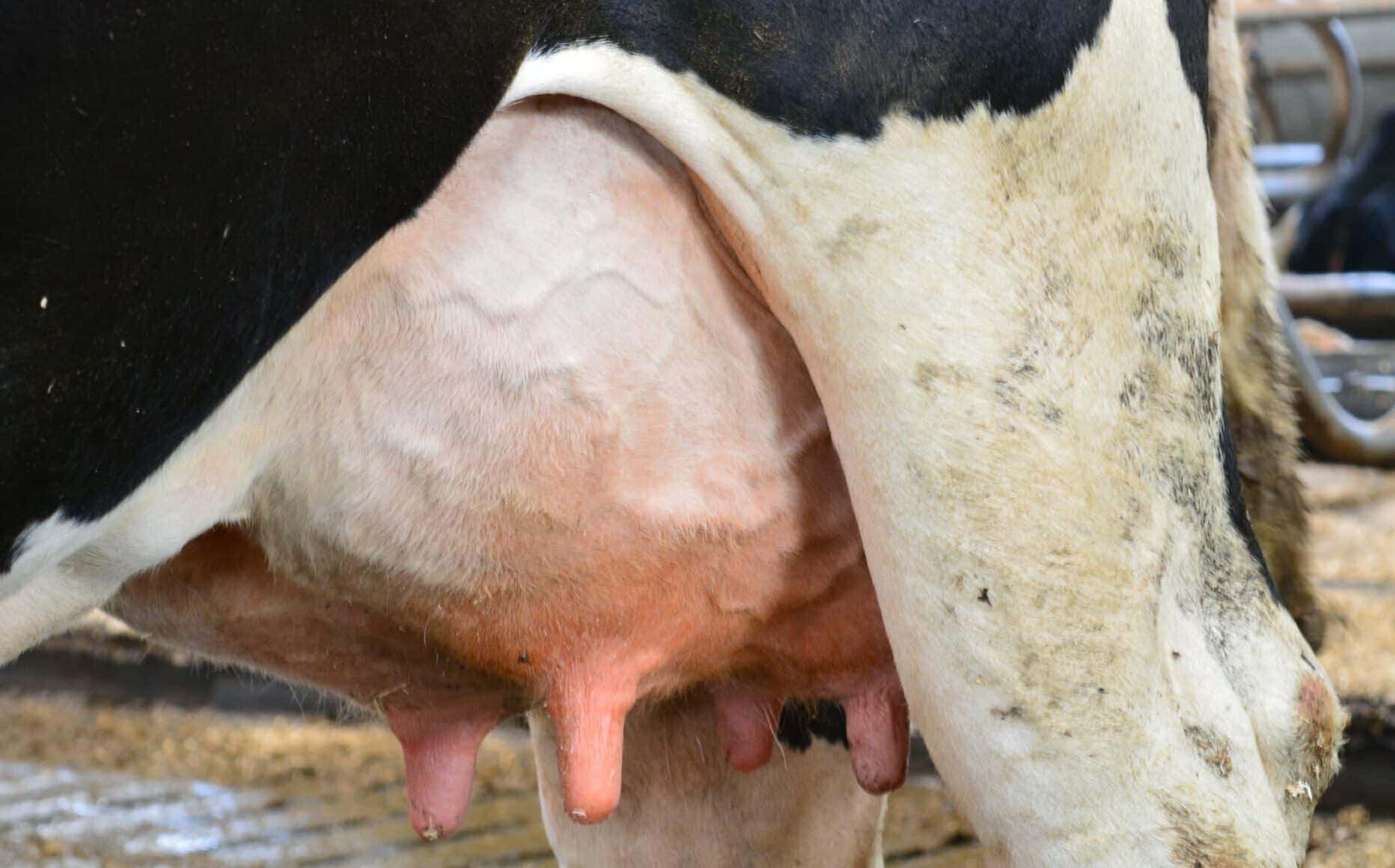
Hyperkeratosis in Cows
Healthy teat ends indirectly reduce the risk of mastitis and help keep your somatic cell count (SCC) stable. Hyperkeratosis, also known as teat end hyperkeratosis, rarely occurs “out of the blue.” In many cases, it indicates stress in the milking process: vacuum, pulsation, blind milking, and the fit of the teat liner.
With ™AktivPULS liners, you bring relief to the teat end, improve teat condition, and make milking more comfortable for the cow, both in the milking parlor and at the robot.
What is hyperkeratosis (teat end hyperkeratosis)?
Hyperkeratosis is a thickening and hardening of the skin at the teat end. It appears as a smooth ring, but sometimes also as a rough or frayed teat end. The rougher the edge, the greater the risk that the teat end’s natural barrier will be compromised.
In practical terms, hyperkeratosis tells you this: the teat end is under structural stress during milking. And that is precisely the moment when you want to focus on teat health, because that is often where the path to infections begins.
In practice, this often leads to:
- A higher risk of mastitis in cows
- Fluctuating udder health and more treatments
- An increase in somatic cell count (SCC), resulting in milk loss and extra labor
Why is hyperkeratosis a serious warning sign?
A teate end that is irritated or calloused does not seal as well after milking. This increases the risk of bacterial penetration.
Somatic cell count (SCC) is a common measure of udder health: lower is better. A count around 100 is generally considered normal, while 250 to 300 or higher often indicates structural stress in the herd or in the milking system.
What causes hyperkeratosis?
Hyperkeratosis is usually caused by a combination of milking technique and equipment settings. This includes vacuum and pulsation, as well as blind milking and the fit of the teat liner. If a liner does not properly match the teat length or thickness, the massage changes and the pressure on the teat tip increases.
Wear and tear also plays a role. Worn-out teat liners seal differently and can apply more pressure without you noticing, even if the milking machine or milking robot is otherwise “running smoothly.”
What you can do: focus on teat condition during milking
If you notice hyperkeratosis, it’s wise to check the milking process step by step: vacuum, pulsation, flow rate, liner selection, and wear. On robotic milking farms, consistency is particularly important, as deviations can accumulate more quickly over many milking sessions.
That’s why the teat liner isn’t just a minor detail. It’s the only component that makes direct contact with the teat, every single milking session.
Why ™AktivPULS liners help with hyperkeratosis
™AktivPULS was developed to reduce stress on the teat end and distribute the massage. This is reflected in three technical pillars directly linked to teat health:
Air-vented
Controlled ventilation keeps milking smoother, reducing the “pulling” sensation on the teat end and providing greater stability during the process.
45-degree angle
The geometry is designed to better guide the teat, with a focus on fit and more even distribution of pressure.
7 massage zones
The massage is distributed across multiple zones. This promotes better blood circulation and can help prevent teat ends from becoming too hard.

Measurable in practice
™AktivPULS is used by more than 2,000 dairy farmers.
Relevant practical KPIs that consistently emerge:
- 3 times longer lifespan than rubber
- On average, 20 percent better teat condition
- On average, 11 percent higher milk flow rate
- Real-world example: SCC reduction from 170 to 63
- The achievable gains depend on the herd and setup. That is why we always link this to an assessment of your milking process.
- Fits multiple systems, hassle-free
™AktivPULS liners can be used in both milking parlors and milking robots, and fit multiple brands and types of clusters. We provide recommendations based on your specific situation.
Tackle hyperkeratosis at the source
Do you want to reduce hyperkeratosis while also improving teat health, lowering the risk of mastitis, and keeping SCC levels better under control? Then the most practical step is to review your current milking setup and liner selection together.